Open Today Sales: 9 AM-7 PM


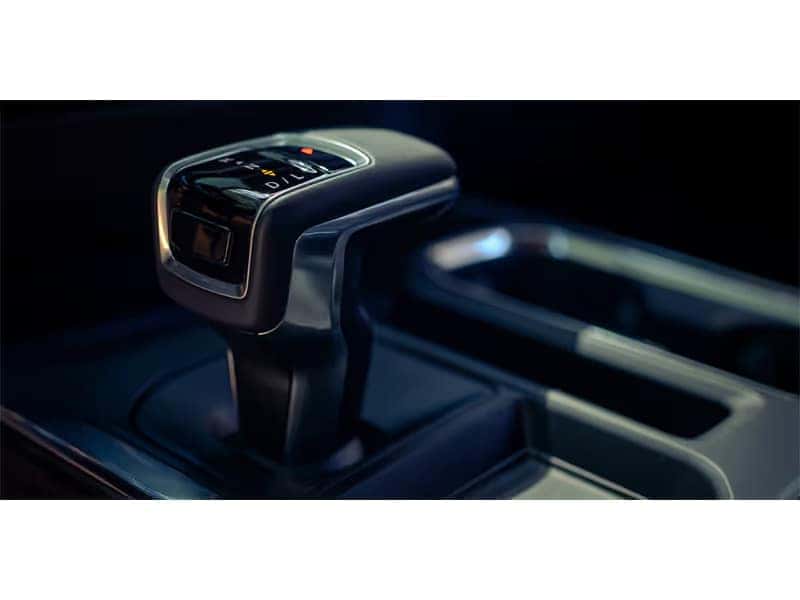
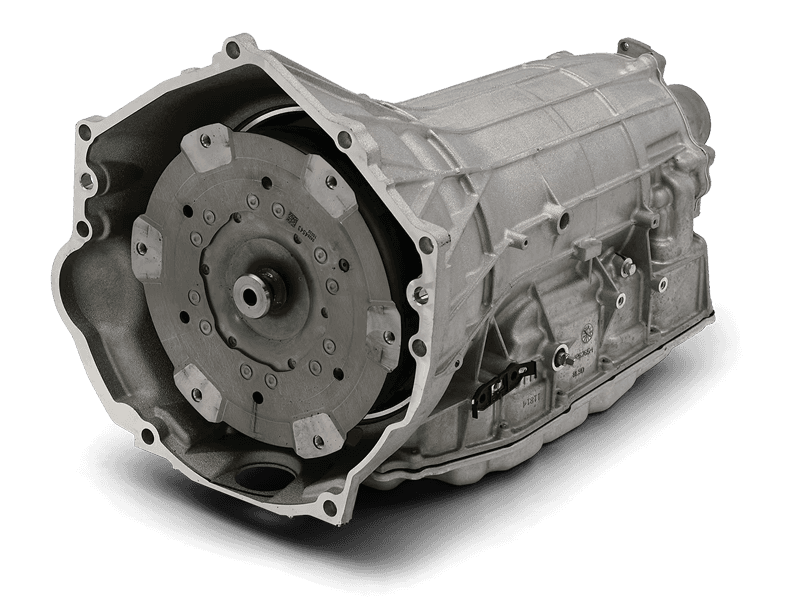
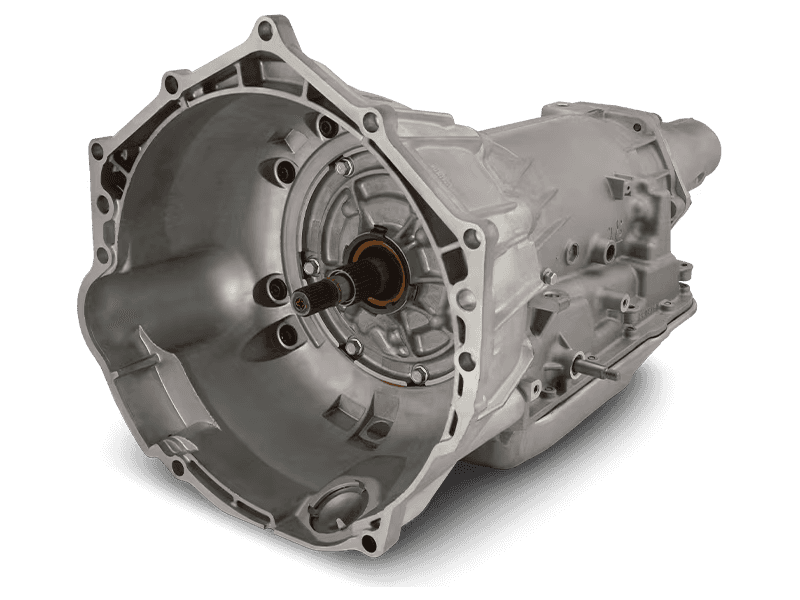
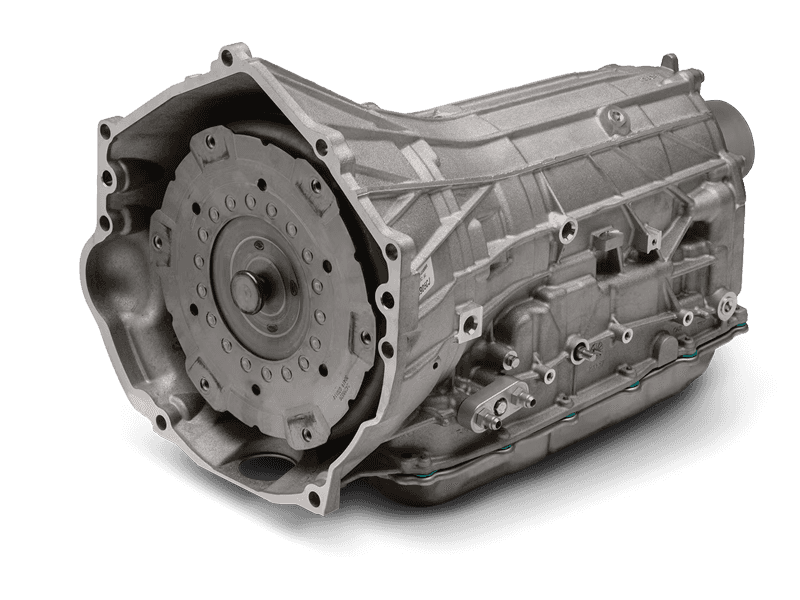
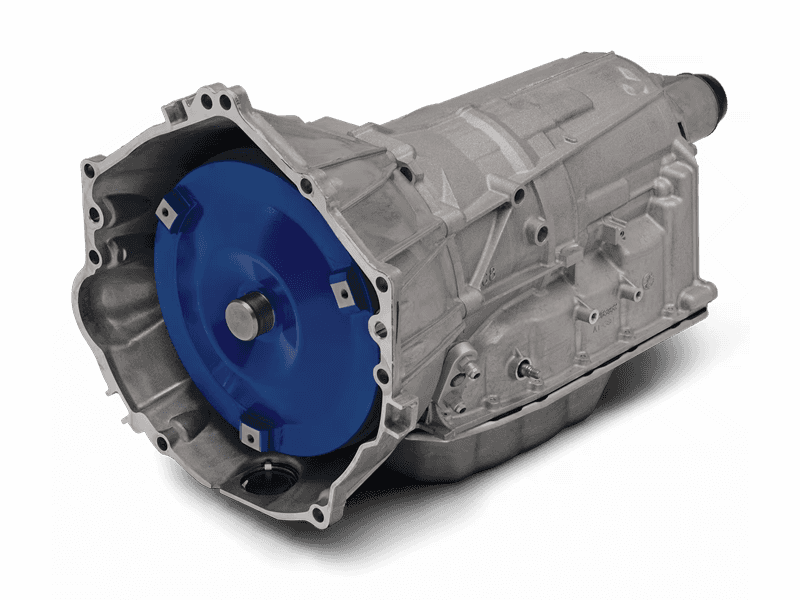
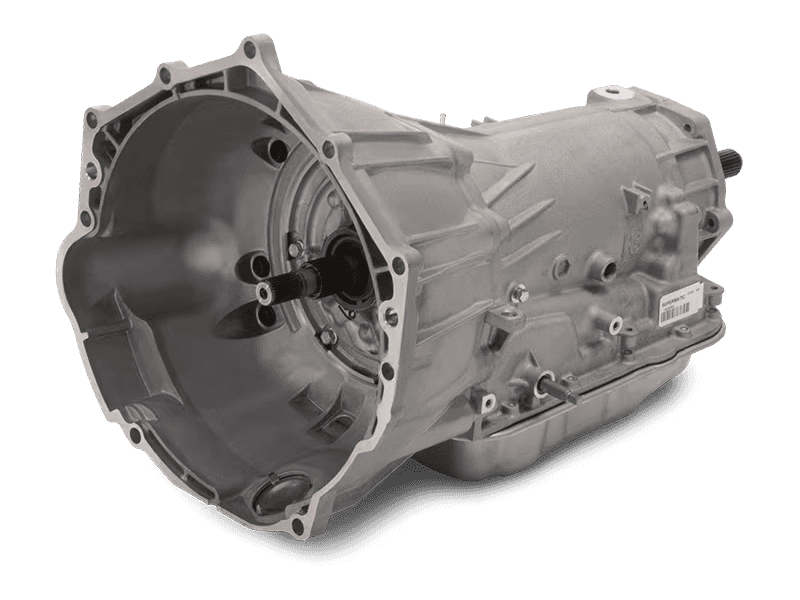
An automatic transmission shifts your vehicle's gears for you, keeping your engine in the right power range without manual input. It works using hydraulic fluid, clutch packs, gears, and a torque converter. When any part starts wearing down, problems follow fast. Spotting issues early can save you thousands in repairs. Here are the signs we think every driver should know.
If your engine revs high but the car does not move as expected, your transmission could be slipping. You might also notice delayed engagement or a sudden drop in speed without braking.
This can happen when internal parts wear out or when transmission fluid gets low or dirty. Slipping puts stress on the clutches and bands, leading to more wear. It makes your car less predictable and less safe on the road.
Delayed shifting often feels like a lag when moving from Park into Drive. Rough shifting shows up as hard jerks between gears or uneven acceleration.
These signs usually point to fluid issues or internal wear. Over time, dirty fluid loses its ability to cushion the moving parts. Sticky solenoids or worn-out valve bodies can also cause this kind of rough behavior, especially in older vehicles.
Check the ground under your vehicle. If you see red or brown fluid pooling near the middle of the car, that is a warning sign. Leaks can come from a worn gasket, loose pan, or bad seal.
Transmission fluid is what keeps the system cool and lubricated. Without enough of it, your transmission can overheat and fail. Even a small leak should be addressed quickly.
A sharp, burnt odor from under the hood may be overheated transmission fluid. This happens when the system works too hard or runs with too little fluid. Towing, stop-and-go traffic, or a clogged filter can all contribute.
Burnt fluid loses its ability to protect the internal parts. That leads to varnish buildup, poor shifting, and eventually more serious damage. If your car smells like it is burning, have it checked.
Hearing odd sounds like grinding, whining, or clunking while in Neutral could mean internal trouble. Bearings, gear teeth, or the transmission pump might be wearing out.
These noises often show up before major failure happens. They are early warning signs that something inside the case is no longer working as it should.
Modern vehicles have sensors that track how well the transmission is working. If anything goes outside normal range — like fluid temperature or shift timing — the system triggers a warning.
You might see a “Check Engine” light or a transmission warning symbol. Diagnostic codes like P0711 or P0740 give technicians a starting point to find the issue. Ignoring the lights could let a minor problem grow into a major one.
If your car struggles to pick up speed, it might not be the engine’s fault. A bad torque converter or worn clutch packs can prevent power from reaching the wheels.
You may feel hesitation at stoplights or sluggishness going uphill. This often shows up right before the transmission gives out completely.
Transmission issues usually start small. If you catch them early, repairs are easier and less expensive. If you notice any of these signs, bring your vehicle to Mtn. View Chevrolet and let our expert team of technicians do an inspection. Don’t ignore the signs — have your vehicle checked by a professional.